
The introduction of the higher-risk building (HRB) regulatory regime has brought significant changes to the way these buildings are designed, approved and delivered.
For architectural practices working on HRBs, the increased scrutiny places particular importance on technical expertise, design co-ordination and the ability to demonstrate compliance through clear, comprehensive information.
The challenge extends beyond meeting individual Building Regulations requirements. It involves understanding how different building systems interact, resolving complex technical details and maintaining the integrity of the approved design throughout construction.
Demonstrating compliance before construction
Under England's HRB regime, building control approval from the Building Safety Regulator (BSR) is required before construction of a new higher-risk building can begin.
Often referred to as Gateway 2, this process requires detailed design information demonstrating how the proposed building will comply with Building Regulations. This places greater emphasis on the quality and completeness of technical design information at the approval stage.
Drawings, specifications, fire safety information and supporting documentation must present a consistent picture of the proposed building, with sufficient detail to demonstrate how compliance will be achieved.
This demands close co-ordination between architectural, structural, fire engineering and building services disciplines, particularly where their designs intersect.
The importance of getting the interfaces right
Some of the most demanding technical aspects of HRB design arise where fire safety requirements interact with other building elements.
External wall construction, for example, must consider cavity barriers, fire resistance, structural connections and the relationship between the façade and floor slabs. Similarly, service penetrations through fire-resisting construction require careful consideration to maintain compartmentation, while stair cores, escape routes and protected shafts must be co-ordinated with the wider structural and services design.
These interfaces are particularly significant because compliance depends on the performance of the assembled construction, not simply the specification of individual products.
For technical architects like OSG, understanding how these elements come together is essential to developing details that can be constructed as designed and supported by appropriate compliance evidence.
Managing changes to approved designs
Changes during construction are a familiar part of project delivery, but HRBs are subject to specific regulatory change control requirements.
Once building control approval has been granted, amendments to agreed documents must be assessed and recorded. Depending on their significance, changes may also require notification to or further approval from the BSR.
Major changes, including certain alterations to external walls, escape routes or fire safety measures, require approval before the affected work can proceed. This has important implications for technical design teams.
A proposed substitution or alteration cannot be considered solely in terms of buildability or programme. Its effect on the approved design, associated fire safety information and compliance evidence must also be understood.
Effective technical co-ordination helps identify these consequences and maintain consistency between the design information, regulatory submissions and construction.
The golden thread and technical information
The golden thread requirements place further emphasis on the accuracy, accessibility and traceability of building information.
For HRBs, design and construction records must provide a reliable account of what has been approved, what has changed and what has ultimately been built.
This requires robust information management, including version control, documented design decisions and accurate records of changes.
The information also supports the completion certificate application, sometimes referred to as Gateway 3, and the subsequent management of the building.
The architect’s responsibility is not simply to produce technical drawings, but to contribute clear, consistent information that supports compliance throughout the building's development.
Applying HRB expertise in practice
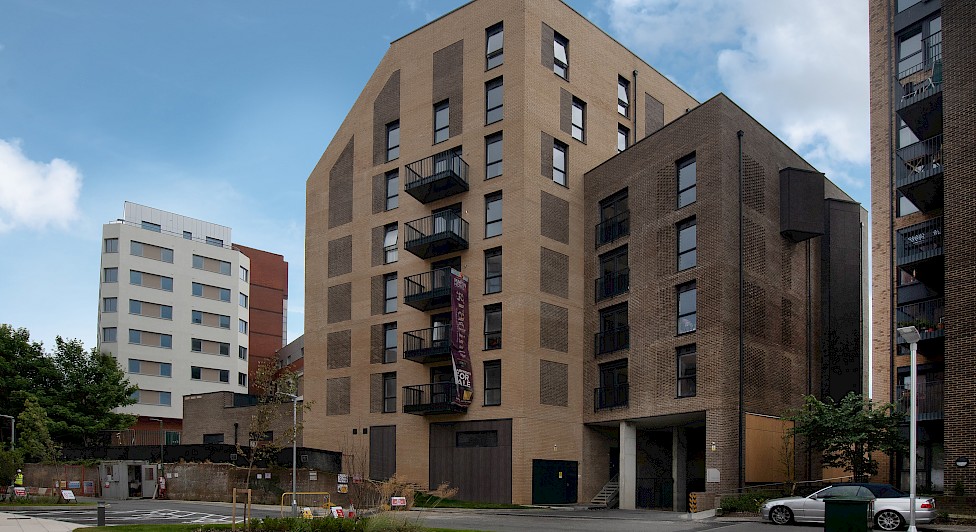
Our technical delivery work on Davigdor Road in Hove demonstrates the particular challenges associated with higher-risk residential buildings. The mixed-use scheme incorporates 52 apartments alongside commercial accommodation.
Appointed for RIBA Stages 4–5, OSG's work included addressing the fire safety requirements associated with a building exceeding 18 metres in height, alongside technical challenges arising from sloping elevations and its coastal location.
Experience of resolving these requirements has also informed OSG's development of its Building Regulations Principal Designer services and led to further commissions for HRBs, including our latest project for London Borough of Tower Hamlets (link to case study – to write)
While technical architectural delivery and the statutory BRPD appointment are distinct responsibilities, both depend on a detailed understanding of Building Regulations compliance and effective design co-ordination.
Technical expertise under greater scrutiny
The HRB regime has reinforced the importance of technical design expertise throughout the development process.
From preparing evidence for building control approval to resolving fire safety interfaces, managing design changes and maintaining reliable information, architects have a significant role in supporting compliant delivery.
For higher-risk buildings, successful technical design is not simply about producing the details needed for construction. It is about demonstrating how those details work together, ensuring design decisions remain consistent and providing the evidence needed to support compliance from approval through to completion.